
Palácio da Bolsa – Porto | Portugal
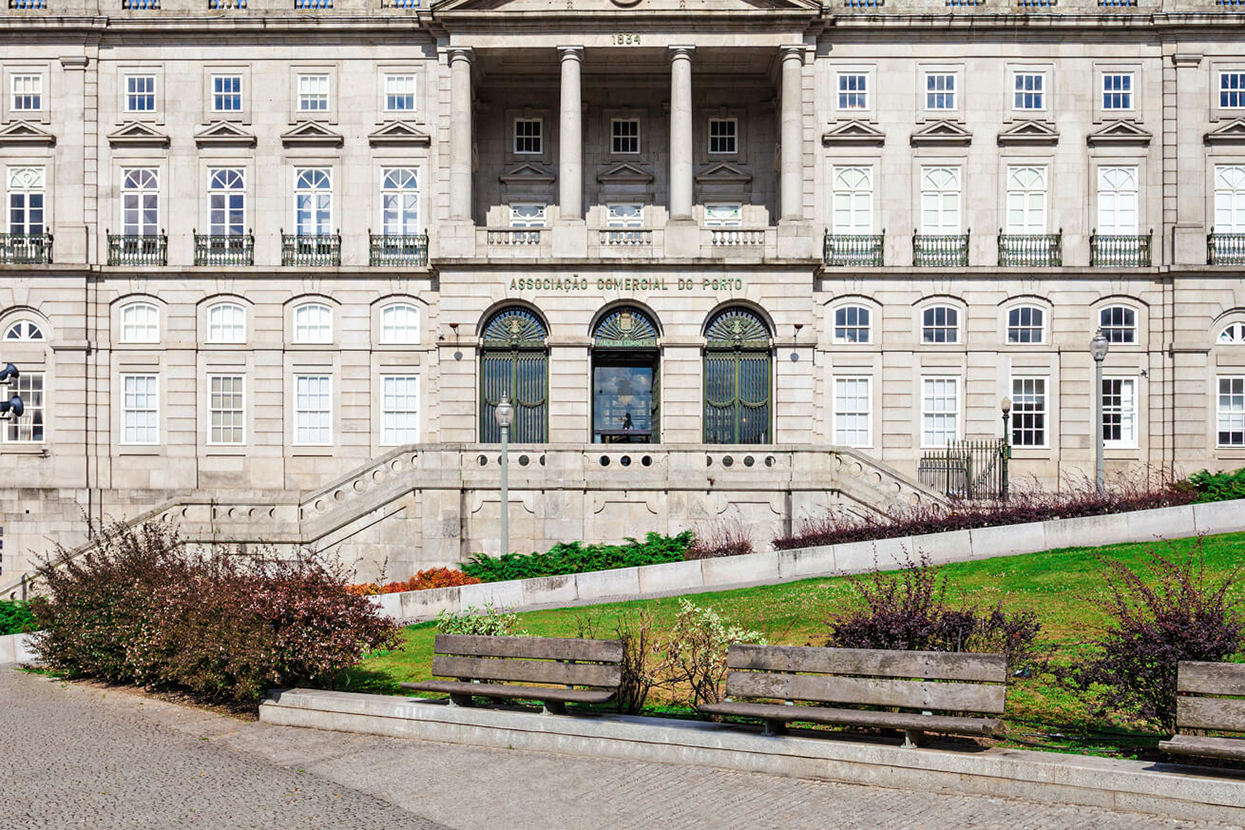
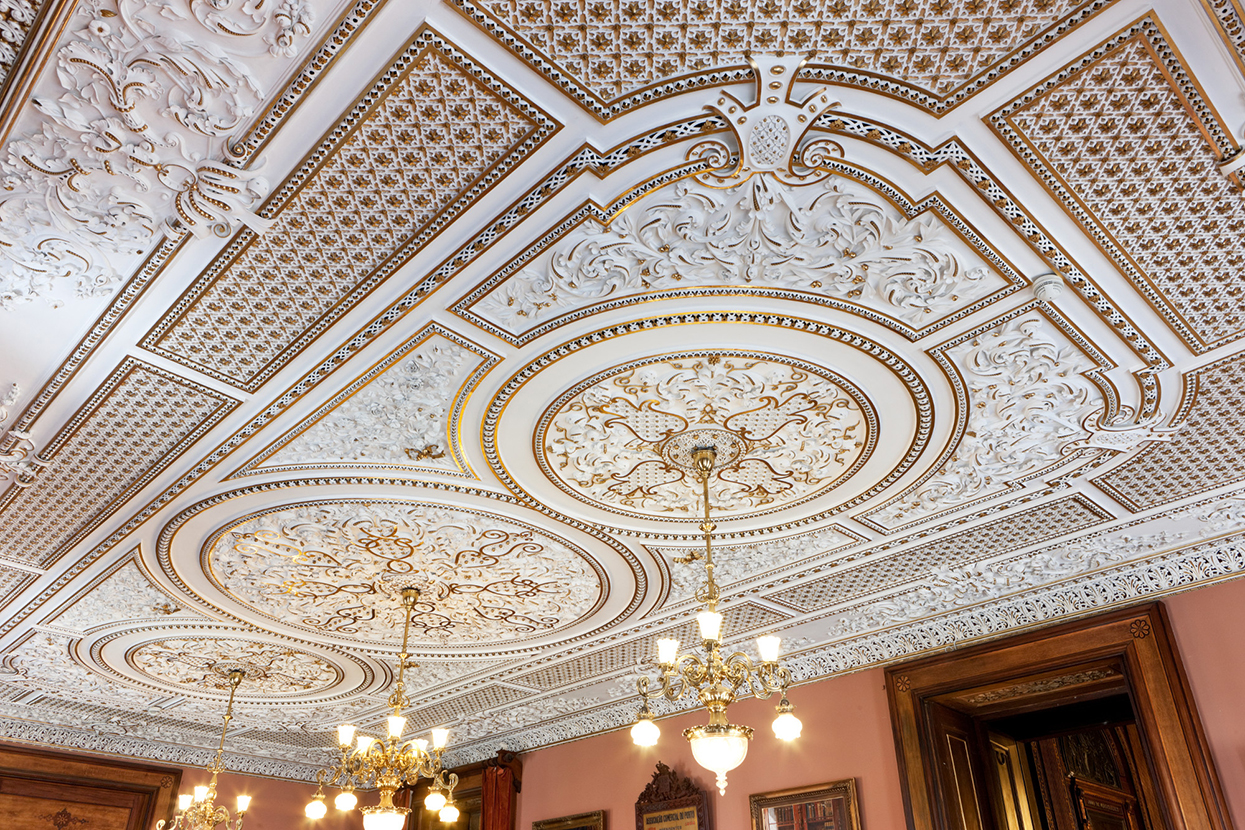
Overlooking Rua Ferreira Borges in Porto's historic centre, a UNESCO World Heritage Site, Palácio da Bolsa is the most visited monument in northern Portugal. Built from 1842 on the ruins of the St Francis Convent, destroyed by fire in 1832, the palace was designed by architect Joaquim da Costa Lima Júnior in Neoclassical style with strong Palladian influences, with its main structures completed in 1850 and the interior decoration finished only in 1910
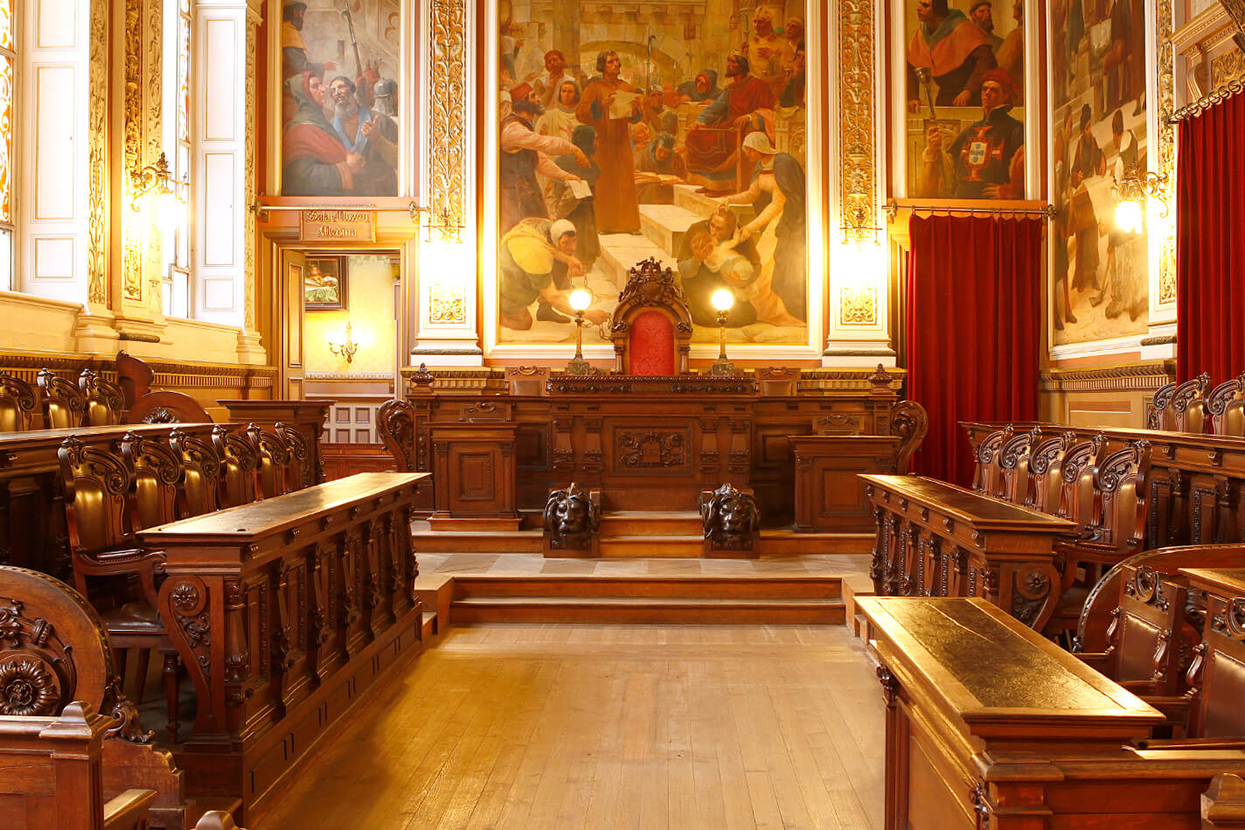
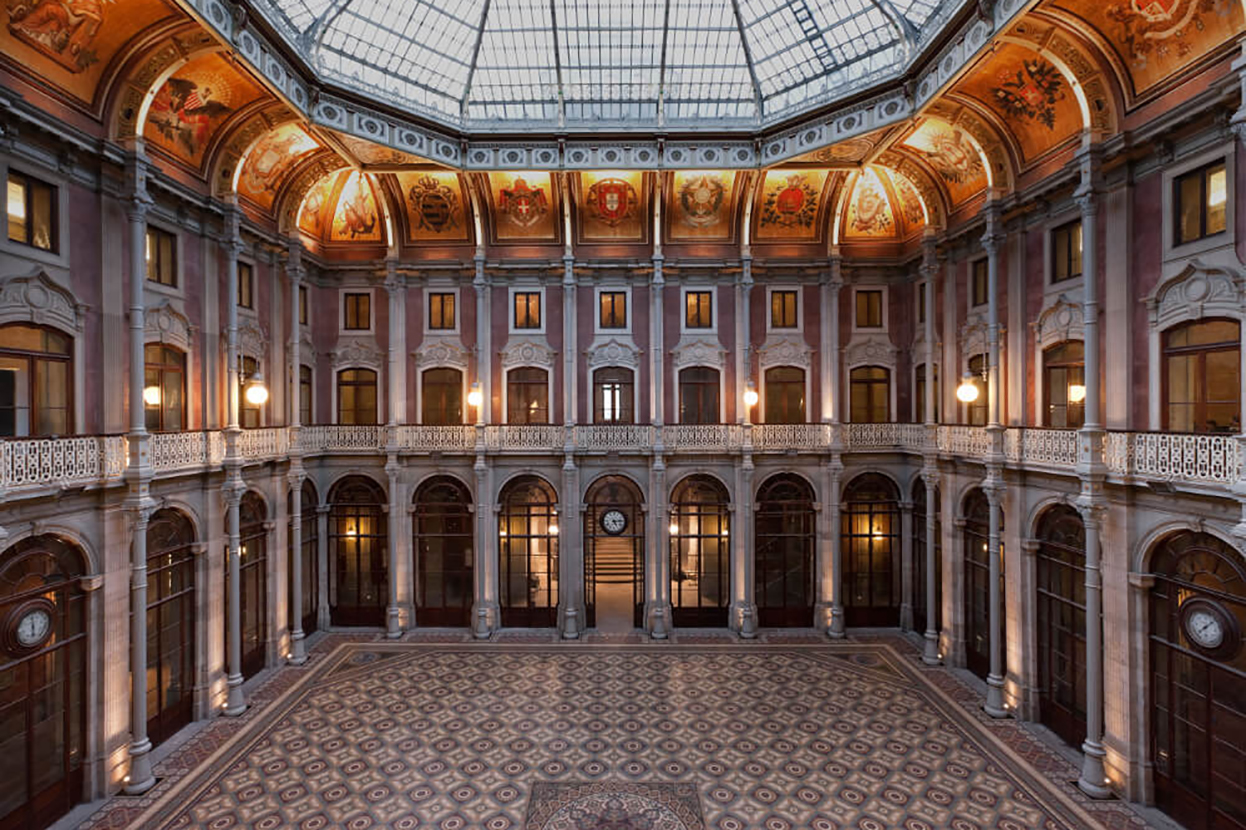
Other architects joined Costa Lima Júnior’s original design for the decorative completion: Gustavo Adolfo Gonçalves e Sousa designed the monumental staircase and the Salão Árabe, inspired by the Alhambra in Granada; Tomás Augusto Soler designed the glazed metal dome of the Pátio das Nações, the building’s beating heart; Joel da Silva Pereira curated the Commercial Court Room. Frescoes and decorations were entrusted to artists such as António Ramalho, Veloso Salgado and Soares dos Reis.
In 2006-2007 the Porto Commercial Association launched an extensive restoration campaign for the building’s roofs and facades. The intervention on the glazed roof of the Pátio das Nações was led by the studio Nuno Valentim Arquitectura (architects Nuno Valentim and Frederico Eça, with the collaboration of Margarida Ramos and Maria Ana Sousa Coutinho), restoring appropriate luminosity, watertightness, solar control and ventilation to the historic courtyard. The Salão Árabe underwent a further restoration between 2009 and 2010.
Year
1850 (construction) / 2006-2007 (roof restoration)
Original Architect
Joaquim da Costa Lima Júnior
2006-2007 Roof Restoration Studio
Nuno Valentim Arquitectura (Nuno Valentim, Frederico Eça)